What is the meaning of special needs?
Acknowledging and understanding the meaning of special needs requires us to look closely into the smaller percentage of individuals that diverge from the expected norm, encompassed with a diverse range of challenges and conditions.
They require additional support and accommodations to fully participate in society.
Spreading awareness about the exact meaning of special needs is absolutely essential to promote inclusivity, spread empathy and awareness, and ensure equal opportunities for all individuals, regardless of their abilities and differences.
Connect with our dedicated team of therapists at Trust Center in Qater
The meaning of special needs can be narrowed down to include people who face challenges or difficulties in their physical, mental, social, or emotional abilities that affect their ability to participate fully in daily life.
This term includes a vast range of conditions, including physical disabilities, mental disabilities, hearing or vision impairments, learning disabilities, autism spectrum disorders, sensorineural disabilities, and many other conditions.
Who are the children with special needs?
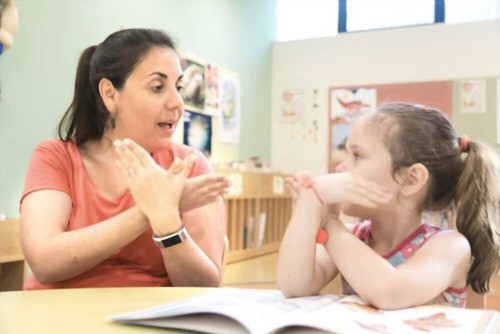
Special needs children are typically individuals below the age of 18 who require support and accommodations within educational settings. Their challenges may include developmental delays, learning disabilities, sensory processing disorders, autism spectrum disorders, physical disabilities, or emotional and behavioural difficulties.
Special needs children often receive specialized services through individualized education plans (IEPs) or other educational support programs. The focus is on early intervention, skill development, and preparing for the transition to adulthood.
Read More About: Special Needs Program at Trust Center
Who are adults with special needs?
Special needs adults, on the other hand, are individuals who have reached the age of 18 or older and continue to require support and accommodations in various aspects of their lives.
Their challenges may stem from lifelong or acquired disabilities, intellectual or cognitive impairments, mental health conditions, or chronic illnesses.
The needs of special needs adults often revolve around independent living skills, vocational training, employment support, community integration, and accessing appropriate healthcare services.
The focus is on promoting self-determination, maximizing independence, and supporting their overall well-being.
It is important to note that the Appatrust website offers you a variety of courses that help you raise your children at home and deal with them as they have special needs. Hurry and book your course now!
What are the types of special needs?
The term ‘special needs’ covers a wide range of conditions and disabilities that include, but are not limited to:
Physical special needs: they often include conditions such as cerebral palsy, muscular dystrophy, spina bifida, or visual and hearing impairments.
Developmental special needs: they refer to conditions that affect a child's cognitive and intellectual development, such as autism spectrum disorder, Down syndrome, or intellectual disabilities.
Learning special needs: These are disorders that affect the way children process information and learn, such as dyslexia, attention-deficit/hyperactivity
Behavioral/emotional special needs: These conditions involve challenges related to a child's emotional well-being or behaviour, such as anxiety disorders, depression, or conduct disorders.
The specific challenges of individuals with special needs can vary greatly within different groups, and this is evident after a deeper understanding of the meaning of special needs.
How is a child diagnosed with special needs?

Diagnosing a child with special needs is a process that requires a comprehensive assessment to determine his or her individual needs. Here are some steps involved in the diagnostic process:
1- Initial observation and evaluation
Special needs are usually diagnosed through initial observation by teachers, parents, or close people. Unusual behaviours or difficulties in communication, interaction, or educational performance are observed.
2- Specialised evaluation
The child is directed to a specialised team that includes a psychologist, educational diagnostician, or special needs assessment specialist. Multiple assessment tools such as interviews, aptitude tests and observations are used to evaluate the child's abilities and difficulties in various areas
3- Communication with parents
The role of parents is essential in the diagnosis process. Information is collected from parents about the history of growth, development, behaviour and challenges the child faces in different environments.
4- Collaboration between specialised teams
Diagnosis requires cooperation among a group of specialists, such as doctors, psychologists, and special education specialists. The data and results provided are analysed by the team and an evidence-based diagnosis is made.
5- Diagnostic Report
The findings are compiled and documented in a diagnostic report that identifies the type of special needs the child has and outlines recommendations and needs for education and support.
Diagnosis should be made by professionals experienced in assessing special needs, and the process should be comprehensive and evidence-based. Diagnosis aims to understand the individual needs of the child and provide appropriate support and education to meet his or her needs.
How is a child diagnosed with autism?
A child is diagnosed with autism through a comprehensive evaluation process involving various healthcare professionals, such as paediatricians, child psychologists, developmental specialists, and speech-language pathologists. The diagnostic process typically includes the following steps:
Developmental Screening: Healthcare providers may use standardised screening tools to assess a child's developmental milestones and behaviour, looking for early signs of autism.
Comprehensive Evaluation: If concerns are raised during the screening process, a more in-depth evaluation is conducted. This includes gathering information from parents or caregivers about the child's behaviour, development, and medical history.
Observation: Healthcare professionals observe the child's behaviour and interactions in different settings to assess social skills, communication abilities, and repetitive behaviours.
Autism Diagnostic Criteria:The evaluation follows established diagnostic criteria outlined in the Diagnostic and Statistical Manual of Mental Disorders (DSM-5). These criteria include impairments in social communication and the presence of restricted or repetitive behaviors.
Medical Evaluation: A medical evaluation may be recommended to rule out other conditions that could be contributing to the child's symptoms.
Feedback and Recommendations: Following the evaluation, healthcare providers provide feedback to the family, discuss the diagnosis of autism, and develop a treatment plan tailored to the child's specific needs.
It is essential to remember that early intervention is key in supporting children with autism, so a timely and accurate diagnosis is crucial.
FAQ
Here are some frequently asked questions about the meaning of special needs:
1- What is meant by learning difficulties?
After discussing the meaning of special needs, we must address learning difficulties, which is a short form of special education needs and is a way to refer to students with disabilities, as their education may change, be delayed, or be disturbed compared to other students.
Many private schools are built to accommodate children with disabilities, claiming to be an educational facility for children, but they essentially serve as residential facilities for the institutionalisation of people with disabilities.
By using the Abatrust Center, you can enrol your child in the program designated for learning difficulties for people with special needs, after conducting an intelligence test and evaluation for your child, so hurry to reserve your seat now!
2- How can we help students with special needs?
A special needs child may require alternative approaches to education that not only accommodate their conditions but also work toward creating ways for them to further their own capacity to learn and develop.
Though public education is open to all students, not all teachers are trained to present lessons in ways that speak to these needs. This may lead to special needs children being taught privately, in classes or schools dedicated to addressing those needs.
In such cases, supporting students with special needs requires a collaborative and individual approach from professionals. At this stage, the Appatrust Center is your right destination, so book the course that suits your child’s needs, and do not hesitate.
3- What should parents know about parenting a special needs child?
When talking about the meaning of special needs, it is important to remember that children with special needs are dedicated and often work harder than their peers. In general, parents should pay attention and listen or notice any aspect of a child's academic or social life that seems difficult.
Seeking outside help can create a strong support system for these children and their families. It is important to have the right people and professionals to promote your child's best development.
At The Trust Center, programs engage parents at every stage, providing them with the education and tools needed to create a consistent, nurturing environment for their children at home.
4- What is the importance of disability support services Doha?
Disability support services help individuals with disabilities in Doha, overcome barriers and challenges they may face in their daily lives. By offering personalised care, therapies, and support, these services empower individuals to live fulfilling and meaningful lives. Additionally, disability support services play a crucial role in promoting awareness, understanding, and acceptance of diversity in society.
Overall, disability support services contribute to creating a more inclusive and accessible environment for people with disabilities, enabling them to achieve their full potential and participate actively in their communities.
Conclusion
The meaning of special needs is a complex and complex meaning, and it cannot be limited to a few words. However, we were able to present its definition and shed light on some of its types and the questions that revolve around it.
If you have a child who suffers from delayed speech, do not hesitate to reserve a place for him in the Trust Center for speech delay courses. Hurry and book now!




0 comments